Archives

Guinea

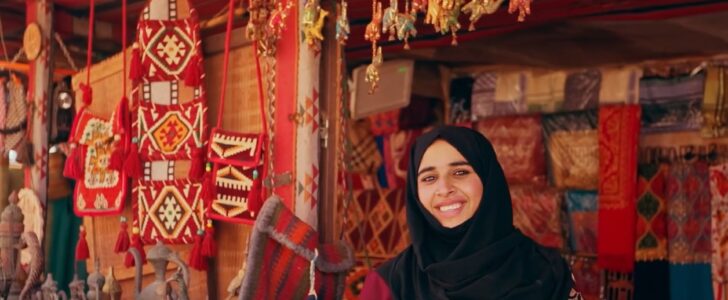
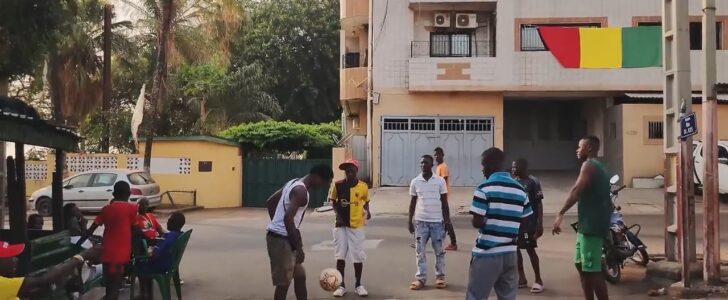
Guinea, a land of fertile hills, vibrant cities, and tireless markets; home to a
young and energetic population carrying strong traditions into a changing world. In recent years, Guinea has become known for its growing regional influence in mining, expanding infrastructure, and a rising generation engaging education, entrepreneurship, and innovation. New investments, expanding infrastructure, and plans like a sovereign wealth fund tied to the Simandou iron-ore project are drawing global attention to the country’s future prospects.

Yet alongside economic advancement lies a deeper reality: 88 percent of
Guinea’s nearly 15 million people identify as Muslim, and many integrate local customs and traditional beliefs into their faith practices. Christianity remains a small minority. According to Joshua Project, over 61 percent of the people groups in Guinea are still unreached, with fewer than 1 percent evangelical Christians among them.

Afghanistan

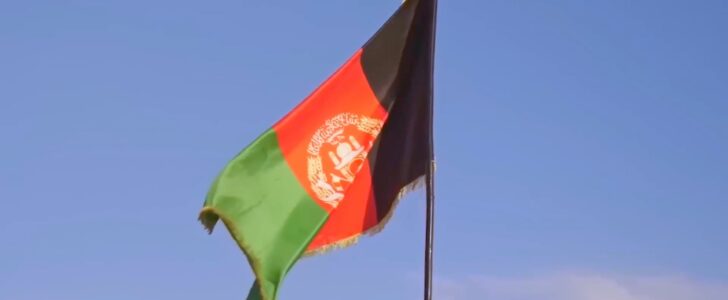
Afghanistan sits at the crossroads of history; a land where ancient cultures meet majestic mountain ranges, fertile valleys, and a tapestry of tribes and traditions. Its people are known for warmth, hospitality, poetry, and resilience even in the face of deep trials.

Yet today, the nation stands wounded.

Afghanistan, a nation of nearly 44 million people, is predominantly Muslim, with over 99 percent of its population identifying as Sunni or Shia. According to the Joshua Project, Afghanistan has approximately 58 unreached people groups, meaning that almost the entire population lives without access to a Jesus-centered witness within their own culture. Statistically, the Christian presence is virtually nonexistent, with only 0.0 percent of the population identifying as evangelical. Consequently, all 44 million people in Afghanistan are considered unreached in terms of indigenous disciple-making movements.

Afghanistan, a land where Islamic identity profoundly influences life and community, is witnessing a stirring of hearts. Across the rugged valleys and the vibrant streets of Kabul, whispers of a yearning for truth and liberation from fear are gaining momentum. Among those who have never encountered the name of Christ, stories of dreams, visionary encounters, and a growing curiosity about Jesus are becoming more prevalent.

North Africa

North Africa lies at the very heart of the 10/40 Window—often referred to as the “Resistant Belt”—a region that contains approximately 97% of the world’s unreached people groups (UPGs). Characterized by dense populations, overwhelming Islamic adherence, and minimal Christian presence, this region remains one of the most critical frontiers for global missions.

Geographically and historically, North Africa is a region of immense significance, stretching from the Atlantic shores of Western Sahara to the Red Sea coasts of Egypt and Sudan. It stands as a cradle of ancient civilizations, culture, and learning, and today remains one of Africa’s most economically strategic regions. Generating nearly one-third of the continent’s GDP, North Africa is rich in agricultural production and natural resources, with major oil and gas reserves in countries such as Libya and Algeria. Its location has long positioned it as a vital bridge between Africa and the rest of the world, shaping trade, migration, and cultural exchange.

The region is home to about 180 people groups, primarily Arabs, Berbers, Tuaregs, and Shihas, with Islam as the dominant religion. Though North Africa once flourished as a stronghold of early Christianity—producing influential centers such as Carthage in present-day Tunisia—the Muslim conquests of the early centuries dramatically altered its spiritual landscape. Over time, Christianity was largely displaced, leaving Islam deeply entrenched and the region resistant to the gospel today.

Currently, Islam’s stronghold remains deeply entrenched. Severe persecution awaits those who turn away from Islam, creating immense barriers to the spread of the gospel and leaving many spiritually blinded by the darkness of this world. Fear, social pressure, and legal restrictions continue to cripple the open advancement of Christianity.

Yet even in this hostile environment, God is at work. The rise of tourism, media, and internet connectivity has opened unprecedented doors for gospel engagement. Beneath the surface of extremism and resistance lies a quiet hunger—many longing for truth, hope, and an encounter with the Kingdom of Heaven, reaching for the light of Christ amid hardship and uncertainty.

As North Africa steps into a new dawn through increased global interaction, we believe a great and effectual door has been opened. With wisdom, humility, and Spirit-led strategy, the gospel can take root and flourish once again.

Muslims in Canada

Based on the 2021 Census, Canada’s ethnic and religious landscape reveals a nation undergoing profound transformation. Christian majorities remain more prominent in the eastern regions, while higher levels of irreligion are evident in the west. Major metropolitan centers such as Toronto, Vancouver, and Montreal have become global crossroads of culture, hosting communities from every corner of the world. With more than 450 ethnic or cultural origins reported, Canada stands as one of the most multicultural and religiously diverse nations on earth.

Although Canada is officially a secular state with no established church or religion, its foundations tell a deeper story. The nation’s laws, institutions, and enduring commitments to equity, justice, and human rights have been deeply shaped by Christian teachings and biblical values. These spiritual roots continue to influence public life, even as society becomes increasingly pluralistic and spiritually fragmented, creating both tension and opportunity for gospel  

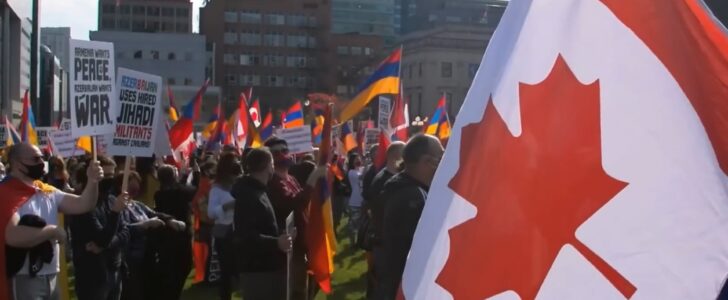
One of the most significant religious shifts in recent decades has been the rapid growth of Islam. The Muslim population has more than doubled—from 2% in 2001 to 4.9% in 2021—largely driven by immigration. Approximately 63% of recent immigrants identify as Muslim, many arriving as refugees or international students from regions marked by war, instability, and economic hardship. Islam has had an organized presence in Canada since the early 1930s, and today the nation is home to over 750 mosques, marking Islam as one of the fastest-growing religions in the country. Many within these communities, particularly the youth, are actively seeking belonging, identity, and purpose while contributing meaningfully to Canadian society.

Yet beneath these visible demographic shifts lies a quieter spiritual reality. For many young Muslims, exposure to Western freedoms, secularism, and diverse belief systems can be deeply disorienting, stirring questions that inherited faith alone does not answer.

Middle East

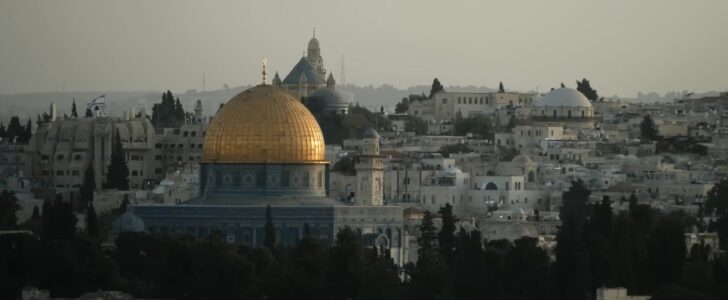
The Middle East is a vast and historic region spanning Asia, Europe, and Africa—often called the cradle of civilization. Shaped by ancient cities, desert landscapes, and sacred sites, it is the birthplace of the world’s three major monotheistic religions and has profoundly influenced global history. Yet over time, intense geopolitical struggles, competition for petroleum resources, authoritarian governance, and prolonged conflicts have plunged the region into cycles of violence, bloodshed, and deep human suffering.

Unified largely by the Arabic language, Islam rose to religious dominance across the region, with 13 of the 18 Middle Eastern nations now predominantly Islamic. As a result, the Middle East holds one of the highest concentrations of unreached people groups in the world. Christianity faces strong resistance, and those who convert often endure severe persecution. At the same time, nearly a third of the population is made up of youth—many caught in political instability, uncertainty, and despair—raising urgent questions about the region’s future.

Yet God is still at work. Gospel penetration in the Middle East is marked by a striking paradox: intense persecution alongside quiet but undeniable growth. While historic Christian populations continue to decline, underground movements are expanding, with increasing numbers of Muslims encountering Christ—often in secret—particularly through digital media, satellite television, and indigenous-led discipleship. In the midst of darkness, the light of Christ is advancing, unseen yet powerful, offering hope, healing, and redemption.

Jordan

Jordan, a land of biblical significance, nestles between the Jordan River and the deserts of the Arabian Peninsula, its history shaped by ancient trade routes, Nabataean wonders like Petra, and modern hospitality. Home to 10 million people, Jordan’s vibrant culture blends Bedouin
traditions with urban life. Bordered by Israel, Syria, and Iraq, its strategic location makes it a haven for 1.3 million refugees, including Syrians and Palestinians. The economy, reliant on tourism and remittances, faces 18% unemployment and 15% poverty as of 2025. Under King Abdullah II’s stable monarchy, Jordan balances modernization with conservative traditions, but economic strain and refugee pressures challenge its resilience, with reforms slowed by regional tensions.

Jordan’s economy is shaped by a limited industrial base and a strong dependence on tourism, services, and remittances. This makes the country highly vulnerable to regional conflicts and global economic downturns, which directly affect national revenue and stability, with little to no oil or natural gas of its own, Jordan relies heavily on imported energy. As global oil prices rise and fall, the strain on national finances grows, making it harder to manage public debt.
Following the Arab Spring in 2011, Jordan avoided large-scale unrest, but growing social pressure pushed the government to increase public spending. Combined with reduced foreign aid, these pressures deepened the country’s financial challenges and increased its debt burden.

Jordan remains a country where faith deeply shapes daily life, law, and national identity. Islam is the dominant religion, influencing everything from culture to governance. Alongside this majority, a long-standing 1.5–2%Christian community continues to live and worship, made up of native
Jordanians as well as Armenian, Greek, and Filipino believers who have made the country their home. While Christians are officially recognized, their reality is complex. Many face social pressure and legal limitations, especially when it comes to changing one’s religion. Those who choose to leave Islam for another faith often encounter rejection from families and communities, and public evangelism remains restricted under national laws.

Algeria PCA Featured Image

Algeria

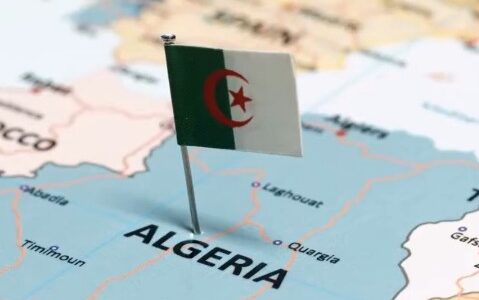
Algeria, Africa’s largest country by land, is a striking land of contrasts—from Mediterranean shores to the vast Sahara. Its rich heritage weaves together Berber, Arab, Roman, Ottoman, and French influences, reflected in its culture, language, and traditions. Yet behind this beauty lies political tension and social fragility. Despite immense oil and gas reserves, the country struggles with economic instability, high unemployment, and a rigid educational system that stifles creativity and spiritual growth—especially among its restless youth.

Egypttian Leader

Egypt

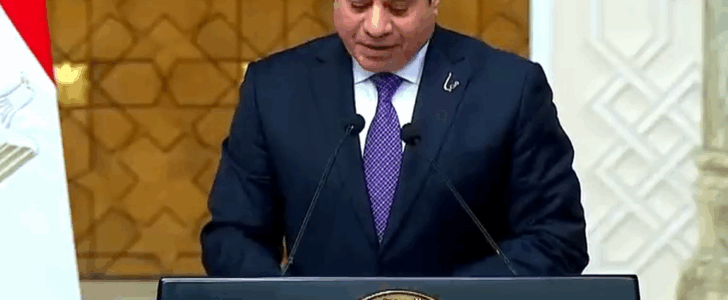
Egypt, the cradle of civilization, balances a rich ancient heritage with modern struggles of political instability, economic hardship, and social inequality. While the majority are Sunni Muslims, Christians—mainly Coptic Orthodox—face discrimination, violence, and legal pressures. Despite these challenges, believers remain resilient, contributing to society and holding fast to their faith. Pray for peace, religious freedom, and a spiritual awakening across Egypt.

Pakistan

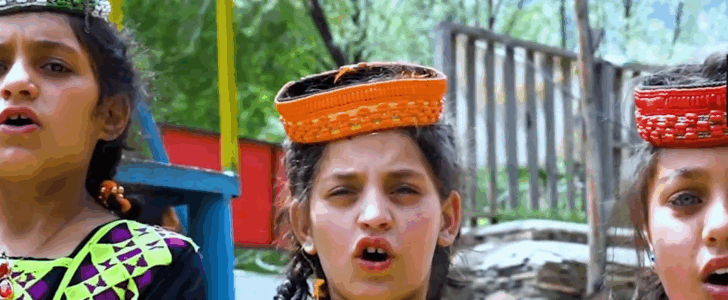
Test: Pakistan, a nation rich in history and diversity, faces deep challenges of political instability, economic hardship, and religious intolerance. With a Muslim majority and a small yet vibrant Christian community, the Church endures persecution but continues to grow. Pray for peace, protection of minorities, and a spiritual awakening across the nation.

Bawku

Bawku, Ghana’s northeasternmost municipality, is a vibrant cultural and commercial hub shaped by German, French, and British influences due to its proximity to Togo and Burkina Faso. This unique blend makes it an attractive destination for traders and tourists. However, despite its economic potential, Bawku has been plagued by communal violence, primarily stemming from chieftaincy and land ownership disputes, making it one of Ghana’s most significant internal conflict zones.