Archives

Oman

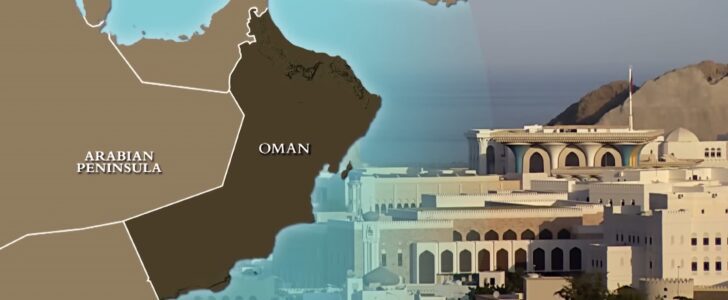
Oman, resting on the southeastern edge of the Arabian Peninsula, carries a history shaped by the sea. For centuries, its sailors connected Arabia to India and East Africa, with the frankincense trade fueling its early wealth. Over time, Portuguese and Ottoman influences left their mark before the Al-Busaidi dynasty unified the nation and anchored Muscat as a regional hub. Modern Oman emerged under Sultan Qaboos, whose decades of leadership transformed the country, and today Sultan Haitham bin Tariq continues guiding a nation known for stability and cautious progress.

Faith is woven deeply into Omani identity. Ibadi Islam, distinctive to Oman, shapes culture, law, and community life. The government protects this identity through education, public practice, and oversight of religious activity. Other faiths, including Christianity, are permitted but closely regulated. Churches operate with licenses, public evangelism is restricted, and expression of faith outside approved settings remains limited, reflecting the state’s commitment to social harmony.

The 6.4% Christianity’s presence in Oman is older than many expect. Early Gulf believers established communities as far back as the 4th century, though these faded with the rise of Islam. In the modern era, Christian life has returned mainly through expatriates from Asia, Europe, and North America, who gather quietly in recognized worship centers. For Omanis who choose to follow Christ, the journey is far more sensitive. Conversion carries deep social consequences, often leading to private faith and silent perseverance.

Yet beneath the calm surface of Omani society, a quieter spiritual hunger is emerging. Young people, migrant workers, and those shaped by global influences are asking deeper questions about meaning and truth. In a land where tradition holds strong and change moves slowly, the story of faith continues — steady, discreet, and growing in places unseen.

Despite these challenges, hope glimmers in Oman’s diverse society. Expatriate churches foster quiet ministries, sharing Christ within communities. Digital platforms and Christian media reach seekers, bypassing controls. Oman’s tolerant reputation and globalized workforce create openings for the gospel, making this a pivotal moment for prayer.
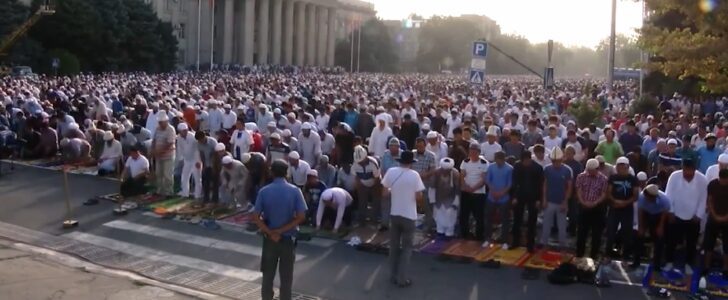
Mecca

In the western region of Saudi Arabia, nestled among barren mountains in
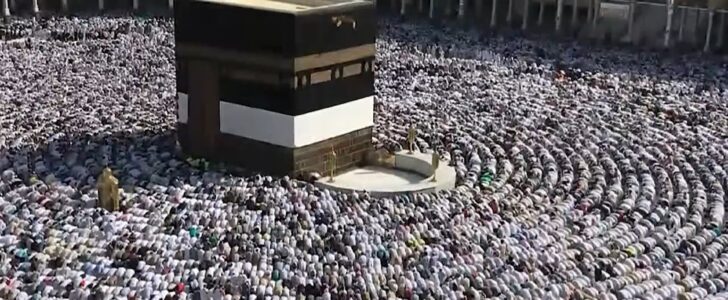
the Hejaz, lies Mecca, the holiest city in Islam and the spiritual center of a faith practiced by over 1.8 billion people worldwide. It is here that Muslims from every corner of the earth turn their faces five times a day in prayer. Every able-bodied Muslim is required to make the pilgrimage to
Mecca at least once in their lifetime, and during the annual Hajj season, over 2 million pilgrims flood the city.

Saudi Arabia is the birthplace of Islam and the custodian of its two holiest
sites Mecca and Medina. It is one of the most spiritually oppressed nations on earth. Islam is not merely the dominant religion in Saudi Arabia but the only legally recognized religion. The practice of any other faith is strictly forbidden. Non-Muslim religious gatherings, even in private homes, are illegal. Bibles and Christian literature are banned.

Conversion from Islam to Christianity is considered apostasy and carries the death penalty under Sharia law, though in practice, converts are often imprisoned, tortured, or forcibly “re- educated” rather than executed. Even with the severe penalties, the secret believers in Saudi Arabia are estimated to be over 100,000. These believers access Scripture through smuggled Bibles, encrypted digital files, and satellite television broadcasts from Christian ministries outside the country.

The spiritual hunger in Saudi Arabia is real. The rise of Crown Prince Mohammed bin Salmanand his Vision 2030 initiative has brought rapid social change, creating a spiritual vacuum as traditional religious authorities lose influence and young Saudis search for meaning beyond
Wahhabism. Online Bible studies, encrypted messaging apps, and virtual discipleship programs are connecting isolated Saudi believers to the global church.

As worshippers in Saudi Arabia intensifies their religious observances and Mecca fills with worshippers, we lift up the hidden believers who cannot openly worship the Jesus they love, that they would encounter the freedom He offers.

Central Asia

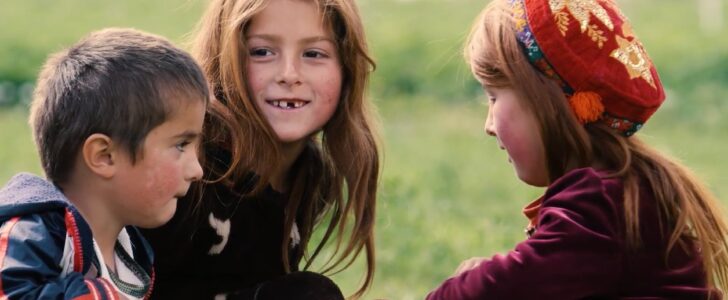
In the far northwestern corner of Uzbekistan lies Karakalpakstan, a remote autonomous region bordering Kazakhstan and the shrinking Aral Sea. This vast, desolate land is home to one of the most obscure and unreached Muslim people groups in the world—the Turkmen of Karakalpakstan. Though ethnically related to the Turkmen of Turkmenistan, they are separated by borders and political realities. Predominantly Muslim, their beliefs often blend with older shamanistic traditions. The environmental collapse of the Aral Sea has devastated livelihoods such as fishing, farming, and herding, leaving many in deep poverty.

Karakalpakstan also exists in a tense relationship with the central government. In 2022, violent protests erupted in the capital, Nukus, after proposals to remove the region’s constitutional right to secede. A harsh crackdown left dozens dead and hundreds arrested, deepening fear and
disillusionment among the population. Today, many people carry the weight of trauma while quietly searching for hope in an environment where dissent and religious expression are tightly controlled.

Spiritually, the Turkmen of Karakalpakstan remain almost entirely unreached. Among roughly 200,000 people, there are likely fewer than 200 believers. There are no known Turkmen churches, no Scripture in their local dialect, and virtually no sustained gospel witness. Evangelism is illegal, unregistered religious activity is criminalized, and converts from Islam face pressure from both authorities and families. Yet even in this barren land—both physically and spiritually—there is hope that God is preparing hearts for the message of Christ.

Mali

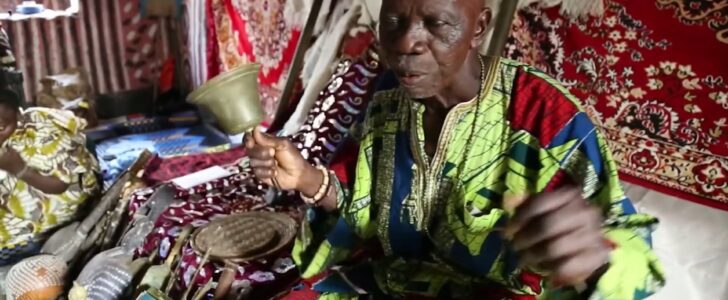
The Bozo people of Mali are located along the Niger River, where the water sustains life in an otherwise harsh and arid landscape. They are a distinct ethnic group of skilled fishermen and for centuries have been masters of the river, passing down fishing techniques, boat-building skills and knowledge of Niger’s seasonal rhythms from generation to generation. They speak Bozo, a language from the Mande family with several distinct dialects.

Religiously, the Bozo identify overwhelmingly as Sunni Muslim, with Islam having spread among them centuries ago through trade routes and the influence of powerful Muslim empires in West Africa. Many Bozo families struggle with poverty, food insecurity, and lack of access to education
and healthcare. Due to the construction of dams along the Niger River, their traditional fishing patterns have been disrupted resulting in reduced catches, making them vulnerable economically.

The Bozo’s are classified as “unengaged and unreached,” meaning there is no known active gospel work being done among them, no indigenous church movement, and less than one percent evangelical Christian presence. There is currently no Bible translation in any Bozo dialect, no known discipleship materials, or gospel resources.

The few Christian workers who have engaged the Bozo have done so in French or Bambara, languages that many Bozo understand but that do not reach the heart. Because the spoken word is much more natural to the Bozo than the written word, audio Bibles, digital resources, and oral storytelling methods are essential for gospel work among this people group.

Laylat al-Qadr

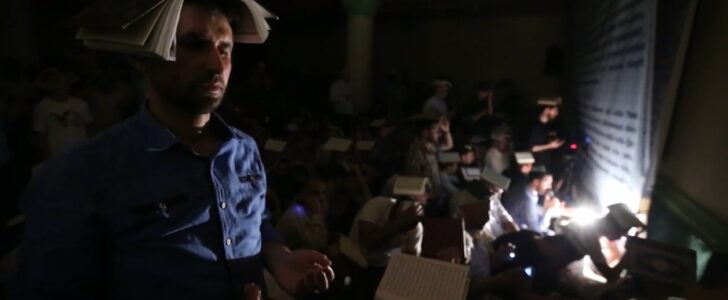
According to Islamic tradition, Laylat al-Qadr commemorates the night when the first verses of the Quran were revealed to the Prophet Muhammad, and Muslims believe that on this night, angels descend to earth in great numbers, the gates of heaven are opened, prayers are more
readily accepted, sins are forgiven, and Allah decrees the fate of every person for the coming year. Laylat al-Qadr, the Night of Power, is believed to fall on one of the last ten nights of Ramadan, most commonly observed on the 27th night. As Ramadan draws to a close, Muslims across the world intensify their devotion during the last ten nights, engaging in extended
prayers, reciting the entire Quran, giving charity, and making earnest supplications. Mosques fill with worshippers who stay awake through the night, seeking divine mercy and favor.

The fervor and sincerity with which Muslims approach Laylat al-Qadr reveal a universal human hunger for connection with the divine, for assurance of salvation, and for purpose beyond the struggles of daily life. Yet as Christians, we observe this night with both compassion and conviction. We recognize the sincerity and devotion of our Muslim neighbors but we also know a profound truth that transforms everything: the power, peace, and presence that Muslims seek on one special night each year is available every moment of every day through Jesus Christ.

The Bible tells us that through Christ, we have direct access to the throne of grace not just on one night, but always. Laylat al-Qadr is a reminder that the human heart longs for God, searches for meaning, and cries out for hope. As Muslims around the world spend this night in fervent prayer, we as Christians are called to intercede for them that their spiritual hunger would lead them not to rituals and uncertainty, but to the Person of Jesus Christ, who is the true source of power, peace, and eternal life. We do not need to wait for a special night. God’s presence is with us always, and we have the assurance that comes not from our efforts but from His grace.

Pashtun

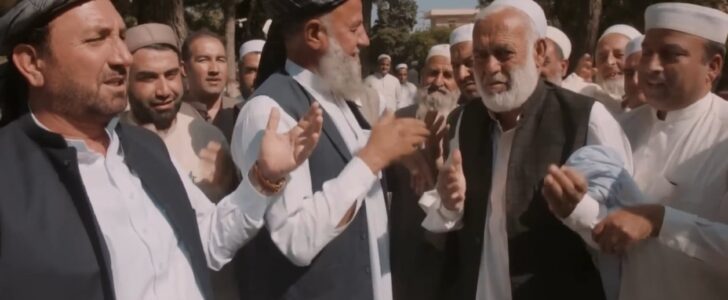
The Pashtun people are situated in the rugged mountains and valleys of
northwestern Pakistan. They are the second-largest ethnic group in Pakistan with a population of over 40 million and are a people defined by four pillars of identity: heritage, Islam, the Pashtunwali code of honor, and the Pashto language. This ancient tribal code emphasizes hospitality, loyalty, revenge, and the protection of honor shaping every aspect of Pashtun life.

The Pashtun homeland has become a battleground for decades. Many of these people were settled into camps in Pakistan during the Soviet
invasion and subsequent civil wars. These camps became seedbeds for
radicalization birthing the Taliban movement. Today, the Pakistani Taliban
continues to destabilize the region, and Pakistani military operations have
displaced millions of Pashtuns, creating deep resentment.

Spiritually, the Pashtun remain almost entirely unreached. Islam is
inseparable from their ethnic identity as to be Pashtun is to be Muslim.
Conversion to Christianity is seen as the ultimate betrayal and the cost of
following Jesus is staggering with the possibility of honor killing by one’s own relatives. For a Pashtun woman to convert is even more dangerous, she risks being forcibly married to a Muslim man or killed to preserve the family’s honor.

Yet despite these immense barriers there are small numbers of Pashtun
believers worshipping in absolute secrecy. They meet in homes, often alone or in groups of two or three, unable to gather openly for fear of betrayal. Reports of dreams, visions, and divine encounters are increasing, as God reaches into closed hearts and reveals Jesus to those who have never heard His name spoken with love.

Mamprusi

Across many regions of the world, many Muslims practice what is often called Folk Islam—a blend of Islamic belief with local cultural and traditional spiritual practices. In these communities, religion often focuses on spiritual power for daily needs such as protection from the evil eye, spirits, sickness, and misfortune. People may seek help through amulets, charms, spiritual healers, and sacred places believed to carry supernatural power. This pattern of belief can be found in many parts of Africa and Asia, where Islamic practices have blended with older indigenous traditions.

In northern Ghana, the Mamprusi people live in rural savanna communities where farming and cattle herding are the main means of survival. They speak Mampruli and are largely concentrated in the Upper East and North East Regions, with their traditional capital in Nalerigu. Literacy levels are low, particularly in rural areas, so most information and beliefs are
passed down orally within families and communities.

Among the Mamprusi, faith is often expressed through a form of folk Islam that blends Islamic practice with animistic beliefs and the search for spiritual protection. The Christian presence remains very small, and the gospel has had limited access among them. However, in recent years Christian workers have begun serving these communities through development projects, clean water initiatives, and medical outreach. At the same time, Scripture translation in the Mampruli language, audio Bibles, and media tools such as the Jesus Film are helping introduce the message of Christ in ways that can reach this largely oral society.

Tajikistan

Nestled in the heart of Central Asia, Tajikistan lies between Afghanistan, China, Kyrgyzstan, and Uzbekistan. Much of this rugged land is covered by towering mountains, including the majestic Pamir Mountains, often called the “Roof of the World.” Yet beneath this breathtaking landscape lies a nation weighed down by poverty and hardship. With a population of just over ten million, Tajikistan remains the poorest of the former Soviet republics, and many families survive through money sent home by migrant workers laboring abroad under difficult conditions.

Life in Tajikistan is also shaped by a tightly controlled political system under Emomali Rahmon, who has ruled the country since 1994. Political opposition has largely been silenced, and religious freedom exists mostly in name. In recent years pressure on Christians has intensified. Churches have been raided, pastors questioned, and believers fined or imprisoned simply for practicing their faith.

Spiritually, the Tajik people remain among the least reached in the world. For most Tajiks, the message of Jesus has never been heard in ways that connect with their culture and language. Yet God is quietly at work. A small community of believers—many from Muslim backgrounds— has emerged, worshiping in hidden house churches that often change locations to avoid
detection. Though sharing their faith openly could bring arrest, these courageous followers of Christ continue to disciple others and plant new gatherings in some of the most spiritually resistant parts of Central Asia.

We remember that the LORD who created the mountains of Tajikistan is not limited by them. His love reaches beyond political barriers and into the most hidden valleys. Even in a nation marked by hardship and restriction, He is drawing people to Himself and building His church in quiet but
powerful ways.

Muslims in Eastern Europe

Across southeastern Europe, several nations share a common Islamic heritage shaped during centuries of rule under the Ottoman Empire. Countries such as Albania, Bosnia and Herzegovina, Kosovo, Montenegro, North Macedonia, Croatia, and Bulgaria are home to long-established Muslim communities whose faith traditions were largely shaped by the Sunni stream of Islam, particularly the Hanafi School of Islamic Jurisprudence. For many of these communities, Islam is not only a religion but also a powerful marker of cultural identity, woven into family history, social life, and ethnic belonging.

Spiritual life in the Balkans has also been deeply influenced by centuries of mystical devotion through Sufi brotherhoods. Orders such as the Bektashi Order and the Naqshbandi Order helped shape the spiritual character of the region, blending Islamic faith with strong community traditions and local cultural practices. Today many Muslims across the Balkans live as minorities within historically Christian societies, a reality that continues to influence how their faith is practiced both publicly and privately.

Among these communities are the Bulgarian Muslims of the Rhodope Mountains in southern Bulgaria, often known as Pomaks or locally referred to as Millets. Living in remote villages and speaking Bulgarian as their mother tongue, they represent one of the most overlooked Muslim
populations in Europe. Their religious life reflects a form of folk Islam influenced by Sufi traditions and older Bulgarian customs. Yet beneath this identity, many younger people are quietly questioning inherited beliefs while searching for deeper meaning and hope.

Despite living within Europe, the Christian presence among these communities remains extremely small. Many villages have no churches, little Scripture in the language people use daily, and almost no sustained gospel witness. Still, signs of hope are emerging. Christian workers are building relationships through humanitarian aid, education initiatives, and business development, while digital media quietly carries the message of Christ into homes across the region. Even in these hidden corners of Europe, God continues to draw people toward Himself.

Indo-Malaysia Region

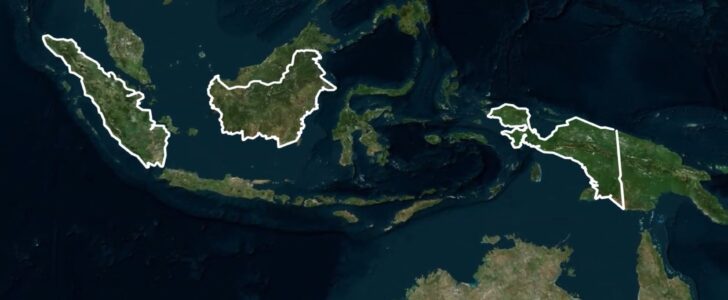
Across the Indo-Malaysia region — from Indonesia’s vast archipelago to Singapore’s global cityscape, from resource-rich Malaysia and Brunei to the culturally layered Philippines — nations are rising in economic and political influence. Indonesia leads Southeast Asia’s economy through manufacturing, digital expansion, and natural resources. Singapore stands as a hub of finance and technology. Malaysia and Brunei leverage trade and energy wealth, while the Philippines blends rapid digital growth with deep cultural heritage. Together, these nations shape regional and global trajectories.

Demographically, the region is young and dynamic. Indonesia, Malaysia, and the Philippines have median ages under 30, creating both opportunity and pressure in education, employment, and social systems. Singapore faces a contrasting reality of an aging population. Migration flows intensify this complexity — especially Muslim workers from Indonesia, Bangladesh, Pakistan, and beyond who relocate for construction, domestic work, maritime services, and technology sectors, often living far from family support.

Politically, these nations navigate ethnic pluralism and varied expressions of religious liberty. In some contexts, freedom of worship is protected; in others, conversion and open evangelism carry legal or social sensitivity, particularly where Islam shapes national identity and law. Faith and culture remain deeply intertwined with public and private life.

Religiously, Islam is the majority faith across much of the region — about 87–88 percent in Indonesia, 60–63 percent in Malaysia, and dominant in Brunei. Singapore’s Muslim population is roughly 15 percent, including many migrant laborers. In the southern Philippines, historic Muslim communities remain distinct within a largely Christian nation. Christianity, though present, remains a minority in most of these countries — around 10 percent in Indonesia and smaller percentages in Malaysia and Brunei — with many Muslim and animist people groups still unreached or minimally reached.

Migrant Muslim workers represent a particularly strategic community. In Singapore alone, tens of thousands labor long hours, often isolated by language, work schedules, and cultural distance. Access to consistent Gospel witness can be limited, and yet their displacement from home environments can also open unexpected spiritual curiosity.

Encouragingly, God is moving. In parts of Indonesia and the Philippines, communities are coming to Christ through relational, culturally sensitive witness. Churches in Malaysia and Singapore are growing through youth engagement, digital outreach, and cross-cultural discipleship. Yet many still lack Scripture in their heart language, entire villages remain without a Gospel presence, and churches need strengthening and unity. Into this complex landscape of economics, migration, religion, and youthful momentum, the Church is called to pray with vision, courage, and strategic faith.